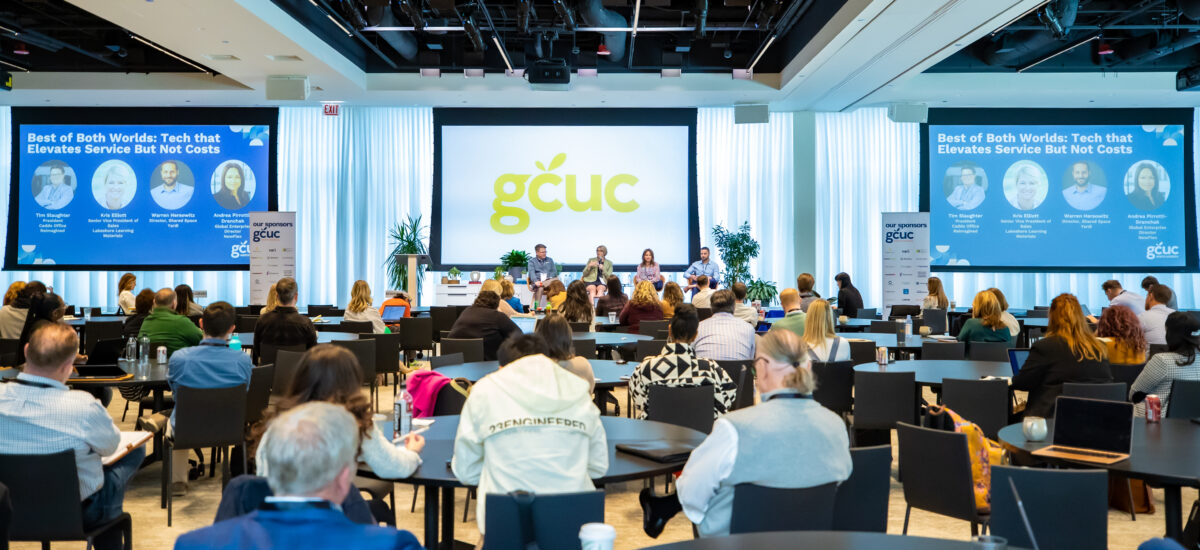
The countdown is on. From April 13–15, 2026, the global coworking and flexible workspace community will descend on New York City for GCUC North America, held at the Jay Conference Center.
Whether you are a seasoned operator with a dozen locations, a real estate developer looking to enter the market, or a first-time founder just trying to figure out your community strategy, GCUC is where the industry comes to compare notes, challenge assumptions, and make deals.
But with a packed three-day agenda, multiple tracks, 12 roundtable topics, and hundreds of attendees, it is easy to get overwhelmed. Here is your strategic guide to navigating GCUC NYC 2026 and ensuring you leave with actionable insights, valuable connections, and a clear plan for your business.
GCUC is not a sit-and-listen conference. It is designed to be interactive and customizable, and
Understanding the structure of the three days is the first step to maximizing your ROI.
Day one – Pick up your badge, meet your fellow attendees, speakers, and sponsors at the Vari Check-in, and Cheers at The Yard!
Day two – Get there on time for a kickoff and Welcome from Liz, followed by two amazing sessions – Koral Ibrahim is talking brand, followed by an unscripted session with some of the biggest players in the game. We have a session happening in three places – the Paris room, Sydney, and the Podcast downstairs in Tel Aviv. You can find all the juicy details in the app! We have a happy hour sponsored by Office R&D and a fun VIPP event with Flexspace at the end of the day.
Day three – Another jam-packed day with lots of opportunities to choose your own adventure. Be sure to read this blog on the roundtables. Make sure you find time to take in a podcast recording with Caleb Parker. We’ll celebrate with a happy hour at The Malin’s newest space sponsored by Soundbox and with F&B provided by Friends of Chef.
Day Four – Walking tours around NYC!
The speaker lineup for NYC 2026 is exceptional. You will hear from Annie Dean (Chief Strategy Officer at CBRE), Dan Zakai (Co-founder and CEO of Mindspace), Gentry Long (President of Industrious), Cliff Ho (CEO and Founder of The Commons, who will close the conference with a fireside chat), Jamie Apostolou (CEO of Second Home), and Brad Krauskopf (Founder of Hub Australia), among many others.
But the value of GCUC is not just on the stage — it is in the hallways. Go to this link to check out Who’s Coming. Take 30 minutes before you travel to review it. You can also check the app to see all the attendees, speakers, and sponsors! Identify the operators running spaces similar to yours, the tech vendors you have been meaning to evaluate, and the investors or landlords you want to get in front of. Reach out on LinkedIn or in the app beforehand and suggest grabbing a coffee during one of the breaks. A warm introduction is always more productive than a cold one.
GCUC stands for Global Coworking Unconference Community. The unconference part is intentional. The most valuable conversations often happen organically — during the Check-in and Cheers event on Monday evening at The Yard (106 W 32nd St), over lunch, or at the after-hours programming.
Do not treat other operators as competitors; treat them as collaborators. If you are struggling with a specific challenge — whether it is negotiating a management agreement, dealing with a difficult landlord, or figuring out your pricing strategy — chances are someone else in the room has already solved it. Ask for advice, and be willing to share your own wins and losses in return. That reciprocity is what makes GCUC different from every other industry conference.
If you are bringing two or more people from your organization, do not sit next to each other. Send your operations lead to the more tactical sessions while you attend the more strategic content. Have one person focus on the tech vendors and exhibitors, while another focuses on networking with potential real estate partners. Assign someone to take detailed notes in every session they attend. Regroup at the end of each day to share notes and synthesize what you have learned. You will cover three times the ground and return home with a much richer picture of the industry.
The operators who get the most out of GCUC are the ones who arrive with a specific, burning question. Not a vague goal like ‘learn about the industry’ — a real, specific problem they are trying to solve. Maybe it is: How do I negotiate a revenue-share deal with a landlord? How do I reduce churn among my private office members? How do I build community and a sense of belonging?
Write your question down before you get on the plane. Use it as a filter for every session you choose, every roundtable you join, and every conversation you start. You will be amazed at how quickly the right people and the right answers find you when you know what you are looking for.
You will leave NYC with a notebook full of ideas and a phone full of LinkedIn connections. The biggest mistake attendees make is returning to their spaces and letting the day-to-day operations take over before they act on what they learned.
Block out two hours on your calendar for Thursday or Friday after the conference. Use that time to send follow-up emails, schedule demo calls with vendors you met in the exhibitor hall, and distill your notes into three actionable steps you can implement in your business immediately. The ROI of GCUC is not in the sessions — it is in what you do with the information in the 30 days that follow.
In a recent episode of the GCUC Podcast, founder Liz Elam sat down with a true pioneer of the coworking movement: Angel Kwiatkowski. As…
Read More
At GCUC, the magic doesn’t just happen on stage. It happens in the rooms where operators lean in, compare notes, challenge each other, and…
Read More
What if the city’s most inspiring social club wasn’t built around cocktails, but around connection? That’s the idea behind The Maze, an alcohol-free members…
Read More
We are going to Africa. Not to copy and paste a conference. Not to export a model. But to elevate something that already exists…
Read More
The term fractional office is suddenly everywhere. It was one of the most talked-about themes at Coworking Europe, surfacing in hallway conversations, on stage,…
Read More
What does hospitality look like in a world transformed by climate change, automation, and shifting values? At GCUC Boston, three futurists—Ingrid Furtado, Lucy W….
Read More
Scaling with Intention: A Conversation with Liz Simon of Industrious Liz Simon, Chief Operating Officer at Industrious, joined Liz Elam, on the GCUC Podcast…
Read More
Author: Liz Elam, Founder of GCUC Thought leadership isn’t just about being an expert or getting on stage—it’s about inspiring others, sparking meaningful conversations,…
Read More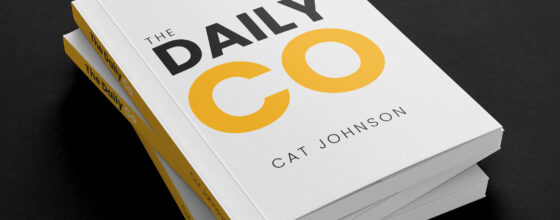
We’ve been keeping a secret. Our dear friend Cat Johnson wrote a book! In the lead up to today, she honored our team with…
Read More
Come discover the elusive strategies that lead to success in a seemingly unpredictable market as Keita Demming, the Director of Development and Innovation at…
Read More


